


Material Design
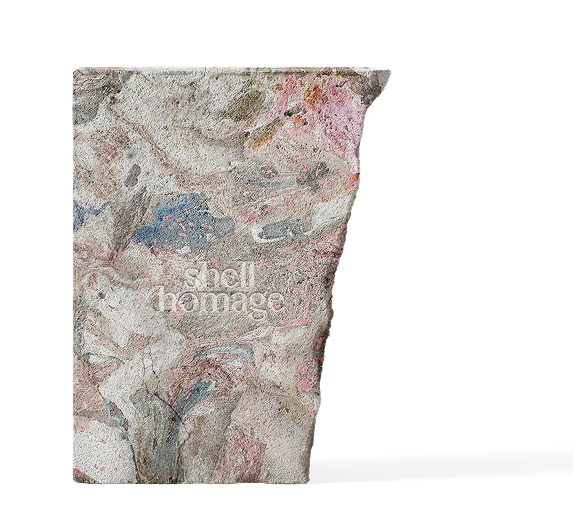
What sets Shell Homage apart is our use of disregarded materials such as eggshells and various nutshells
The food industry generates a significant amount of waste on a daily basis, and we aim to contribute to waste reduction by innovating with Shell Homage materials that can be applied in various industries and scaled up.
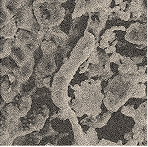
1. Walnut Shells
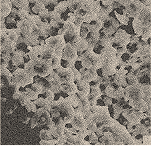
2. Peanut Shells
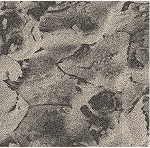
3. Almond Shells
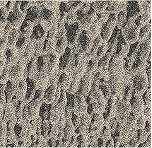
4. Hazelnut Shells
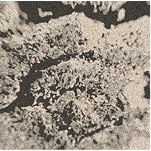
5. Egg Shells
Shell Homage creates biodegradable materials out of egg and nutshells, which are bonded with organic and biodegradable substances. This enables us to create a versatile mixture that can be utilized through various production techniques. Similar to stone or ceramic, our materials can be drilled, sanded, laser cut, or cut using CNC methods.
We employ natural dyeing techniques, using colors extracted from food ingredients, herbs, and natural stones, all of which are completely biodegradable. Each surface and object we create is meticulously handcrafted, resulting in a unique combination of textures, colors, and patterns. When no longer in use, our products are 100% compostable. The composite material we develop can be pressed, extruded, 3D printed, thermoformed, heat bent, or formed through injection molding.
Our materials are relatively lightweight compared to marble or natural stones, and they possess non-repetitive, one-of-a-kind patterns and structures.
Shell Homage offers a meaningful and delightful experience to users, with a powerful message behind it. We fabricate biodegradable composite materials without the use of toxic chemicals, expanding possibilities for applications in product and industrial design, 3D printing, interior design, consumable goods, fashion, and jewelry design.

Following figures showcase the egg and nuts inner structure and pattern in various microns sizes. The images were generated using scanning electron microscopy (SEM), a kind of electron microscope that generates images of a sample by scanning the surface with an intensive beam of electrons. The electrons intermingle with atoms in the sample, creating various signals that contain information about the sample’s surface and composition.